

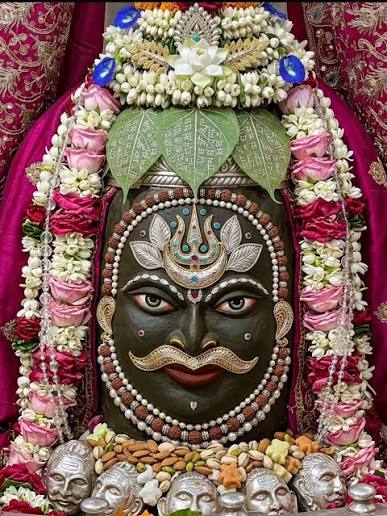
Sawan Somwar is considered one of the most sacred days for devotees of Lord Shiva. The month of Sawan holds a special place in Hindu tradition, and Mondays during this month are traditionally dedicated to Mahadev. Devotees observe this day with faith, prayers, fasting, and visits to Shiva temples. When Sawan Somwar and Nag Panchami come together, the occasion becomes especially meaningful for many devotees. It creates a beautiful atmosphere of devotion, spirituality, and cultural celebration.

Double Blessings of Mahadev: Sawan Somwar Meets Nag Panchami
On Sawan Somwar, devotees wake up early, take a bath, wear clean clothes, and prepare for worship. Many people visit Shiva temples and offer water to the Shiva Lingam. Milk, flowers, bilva leaves, and other traditional offerings may also be offered during puja. Devotees chant “Om Namah Shivaya” and “Har Har Mahadev” with devotion. Some observe a fast according to their family traditions, while others spend the day praying, meditating, or listening to devotional stories and bhajans. The purpose of these practices is to express faith, discipline, gratitude, and devotion toward Lord Shiva.
Nag Panchami adds another important spiritual and cultural meaning to the day. Nag Panchami is traditionally dedicated to the worship and respect of snakes. Snakes have an important place in Hindu traditions, and Lord Shiva is commonly depicted with a serpent around his neck. The serpent is traditionally associated with Vasuki. Because of this connection, the coming together of Sawan Somwar and Nag Panchami is particularly significant for Shiva devotees. The occasion reminds people of the importance of respecting all forms of life and maintaining harmony with nature.
Nag Panchami also carries an important environmental message. Snakes play a valuable role in nature and help maintain ecological balance. The festival can encourage people to appreciate wildlife and understand the importance of protecting animals. Traditional celebrations should always be carried out responsibly, without harming or disturbing wild animals. Respecting nature is a beautiful way to put the positive values of the festival into practice.
The rainy season of Sawan makes the occasion even more beautiful. Trees become green, rivers and ponds receive fresh water, and the surroundings often look vibrant and peaceful. The natural beauty of the monsoon season creates a fitting atmosphere for a festival connected with both Lord Shiva and nature. Families may decorate their homes, create rangoli, light lamps, and participate in prayers together. Temples may also be beautifully decorated, and devotees gather to seek blessings and experience darshan.
This special day is not only about rituals but also about the values behind them. Sawan Somwar teaches devotion, patience, discipline, and faith. Nag Panchami teaches respect for nature and living creatures. Together, they remind us to be compassionate, humble, and responsible. Helping others, keeping our surroundings clean, showing kindness to animals, and respecting our elders are meaningful ways to celebrate the spirit of the occasion.
Festivals such as Sawan Somwar and Nag Panchami also bring families and communities closer. Children learn about traditions and stories from their parents and grandparents. People visit temples with their families and participate in prayers and cultural activities. These celebrations help preserve India’s rich cultural heritage while giving people an opportunity to spend meaningful time together.
The coming together of Sawan Somwar and Nag Panchami is therefore a beautiful occasion filled with devotion, tradition, and positive values. It reminds devotees of Lord Shiva’s divine presence and encourages respect for nature and all living beings. It is a day to pray for peace, happiness, wisdom, and prosperity while spreading kindness and harmony. May this sacred occasion bring joy to every family and inspire everyone to live with faith, compassion, and respect. Har Har Mahadev!